
How to Run a CTEM Proof of Concept: Strategic Steps for Success
Learn how to run a CTEM proof of concept that focuses on evidence and success metrics, not cost.
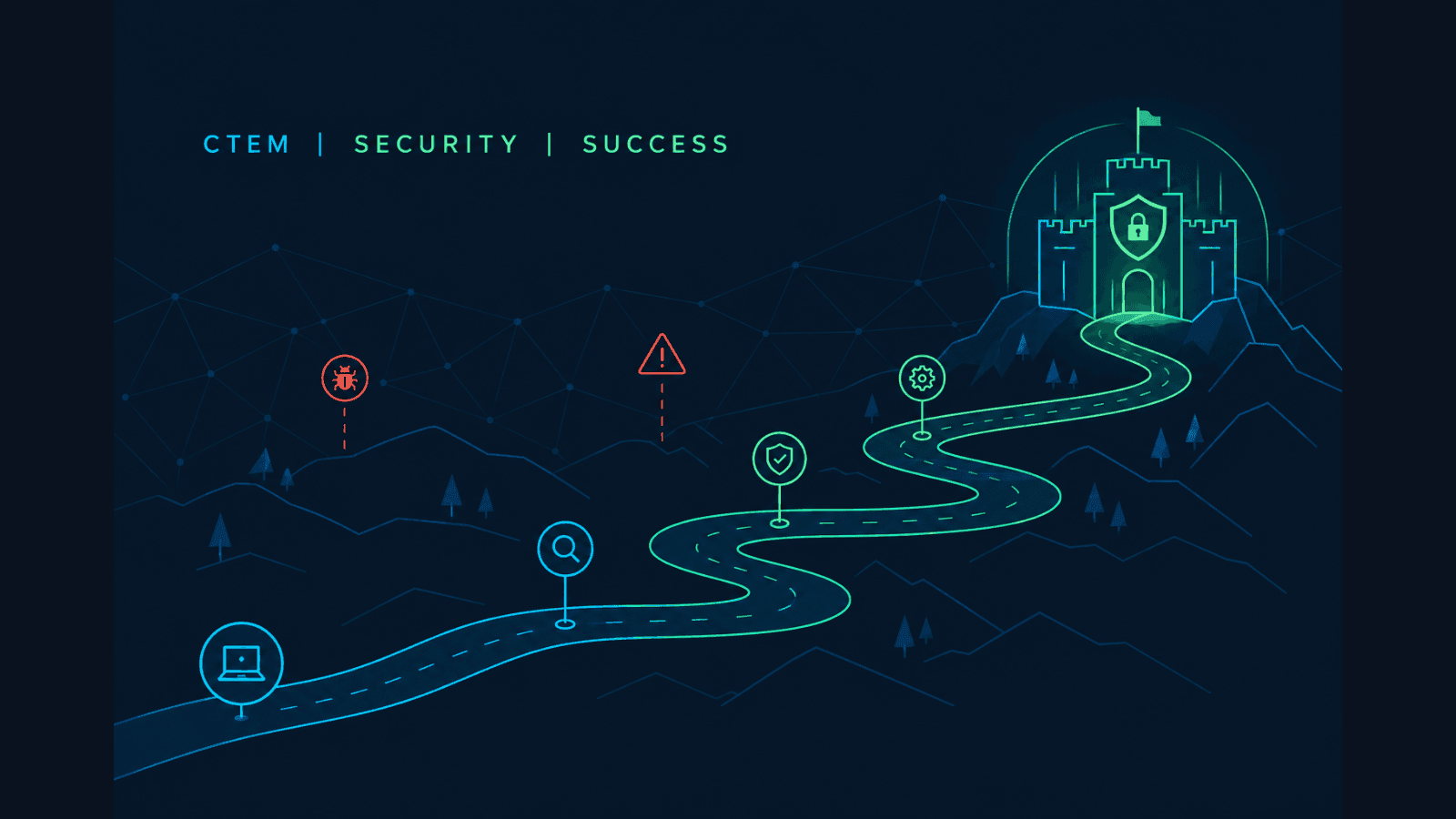
How to Run a CTEM Proof of Concept: Strategic Steps for Success
Organizations are increasingly aware that a robust cybersecurity framework is crucial to defense against evolving threats. But how do you prove the effectiveness of Continuous Threat Exposure Management (CTEM) solutions? Enter the CTEM proof of concept (PoC), a critical tool for validating your security posture.
What Is a CTEM Proof of Concept For?

Illustrates the key objectives of conducting a CTEM proof of concept.
A CTEM proof of concept is designed to showcase the effectiveness of a solution in identifying and managing vulnerabilities within your digital landscape. Unlike a simple demo tour, the focus here is on providing evidence that the CTEM solution can effectively mitigate risks and enhance your security processes. This practical approach allows security leaders to justify investment decisions based on tangible outcomes rather than marketing claims.
Defining the Scope
When planning your CTEM proof of concept, it’s essential to determine the project's scope clearly. Focus on:
- External assets: Identify all external-facing assets that are critical to your organization, such as websites, APIs, and cloud services.
- Configuration of platforms like Microsoft 365 and Google Workspace: When applicable, include an assessment of tenant configurations in these platforms, as misconfigurations can lead to significant vulnerabilities. The more comprehensive your scope, the more insights you’ll gain from the proof of concept, which helps in identifying potential gaps in security.
Establishing Success Criteria

Shows the criteria that determine the effectiveness of the proof of concept.
To measure the success of your CTEM proof of concept, set clear criteria that go beyond simple output. Consider the following:
- Number of exposures validated: Success is often measured by the number of real threats identified and verified during the PoC.
- False positive reduction: An effective CTEM solution should significantly minimize false positives, enabling your team to focus only on genuine risks while keeping these out of the remediation queue.
- Retesting after a sample fix: Once issues are addressed, conduct rigorously planned retests to ascertain that vulnerabilities are effectively managed. Adopting these success measures helps create a baseline from which to evaluate the solution's effectiveness.
Proposed Timeline
An actionable timeline is crucial for an effective CTEM proof of concept. Here’s a suggested structure:
- Week 1: Preparation - Gather the necessary tools and stakeholders, review internal policies, and set up environments.
- Week 2: Initial Assessment - Begin scanning and analyzing external assets and configurations.
- Week 3: Validation - Validate identified exposures and document them rigorously.
- Week 4: Remediation - Implement sample fixes based on the findings and prepare for retesting.
- Week 5: Retesting and Evaluation - Conduct retests, evaluate success metrics, and prepare a report for stakeholders. This streamlined approach will ensure that your team can effectively gauge the capabilities and contributions of the CTEM solution.
What to Decide at the End
Once your proof of concept concludes, reflect on the results. Key decisions should revolve around:
- Effectiveness: Did the CTEM solution validate exposures and reduce false positives effectively?
- Integration: How well can this solution align with your existing security framework?
- Long-term adoption: Based on the PoC's success, consider if this is a tool that should become a staple in your security arsenal. By establishing a foundation for these discussions, you'll foster a strategic dialogue around long-term cybersecurity goals and investments without the convolutions of price conversations.
The Attacker Already Knows…
The harsh reality is that attacks can happen at any moment, and it’s crucial to be prepared. Managing your attack surface through a CTEM approach isn’t just about identifying risks, but about creating a culture of proactive defense. For organizations wanting to optimize their security frameworks and reduce risk effectively, understanding how to run a CTEM proof of concept is a necessary first step. For more insights and guidance on strengthening your security posture, visit Trusteed's resources.