
Intruder Alternatives: Expanding Your Continuous Security Testing Beyond Traditional Scanners
Explore Intruder alternatives for continuous security testing and discover how to enhance your approach through innovative strategies.
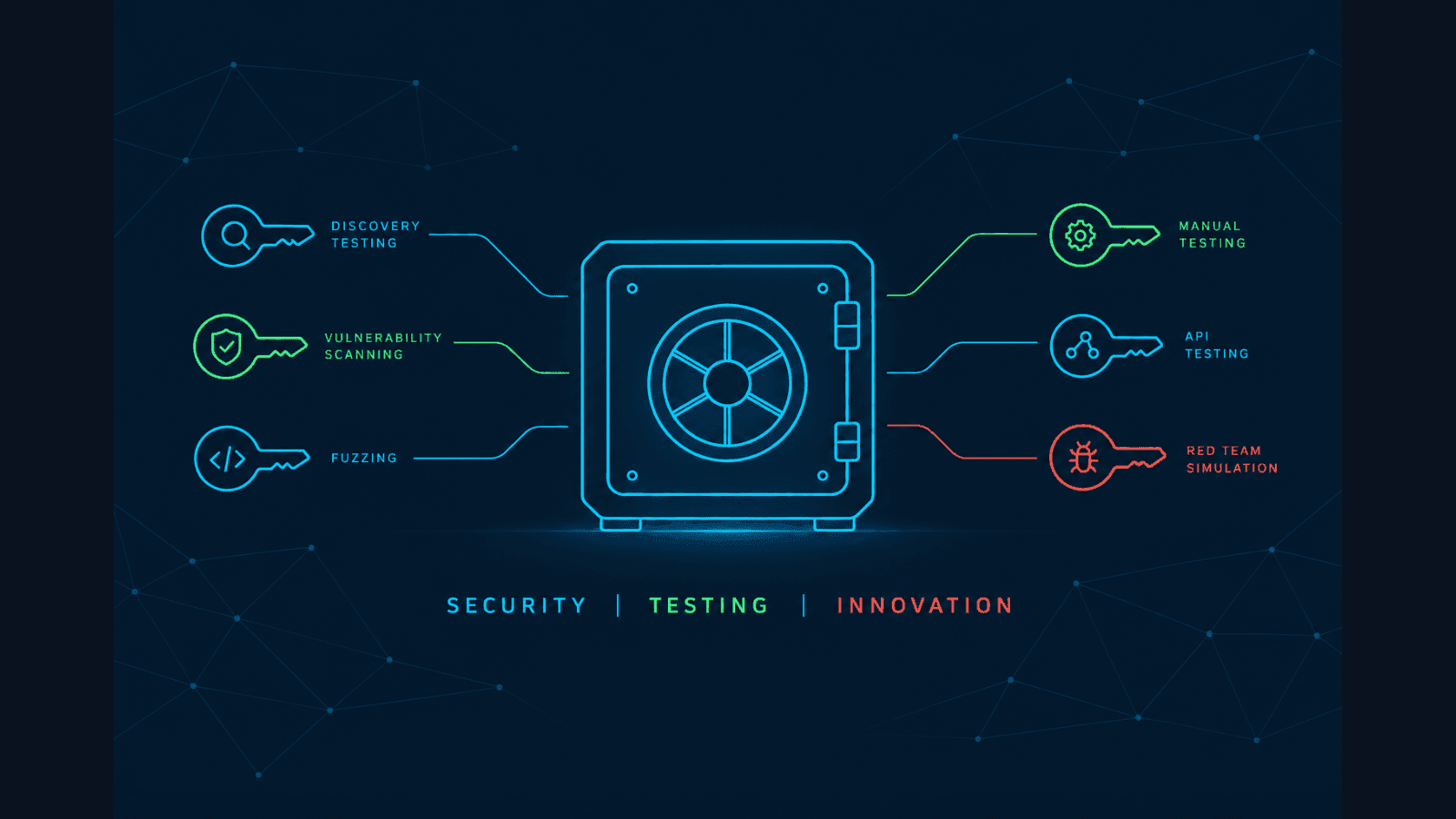
Intruder Alternatives: Expanding Your Continuous Security Testing Beyond Traditional Scanners
As organizations grow, their security needs evolve. Relying solely on scheduled scans can lead to blind spots and missed threats. What are the alternatives?
What Teams Outgrow When a Scanner Schedule is the Whole Program

Understanding the limitations of traditional scanner schedules.
Many organizations begin their security journeys with basic vulnerability scanners, but this approach can become limiting as teams scale. With a reliance on fixed scan schedules, the organization may face several challenges:
- Reactive rather than proactive: Regular scans may miss emerging threats that surface between iterations.
- Inability to assess complex environments: Diverse cloud architectures, hybrid infrastructures, and third-party integrations complicate vulnerability assessments.
- Limited coverage: Traditional scanners may not capture all attack vectors, especially in dynamic environments where constant change is the norm.
Ultimately, organizations need a more agile, comprehensive, and continuous security testing approach that adapts to their growing threat landscape and complexity.
Alternative Shapes: Exposure Validation, Retest After Remediation, Attack-Surface Scope Plus Workspace Assessment

Steps in continuous exposure validation for effective security.
To address the limitations of basic scanning programs, organizations can explore several continuous security testing alternatives:
Exposure Validation
Validation involves verifying vulnerabilities in a live environment before an attack occurs. It helps teams prioritize which vulnerabilities pose real risk to the business rather than relying solely on scanner outputs.
Retest After Remediation
Once vulnerabilities are remediated, retesting ensures that the fix worked without inadvertently introducing new issues. Continuous vulnerability management requires this cyclical approach to maintain a solid security posture.
Attack-Surface Scope
This approach goes beyond traditional scanning by mapping the entire attack surface of an organization, including web applications, cloud services, and endpoints. By gaining visibility into all potential entry points, security teams can shape their defense strategies more effectively.
Workspace Assessment
As organizations move to cloud platforms like Microsoft 365 and Google Workspace, assessing the security posture of these environments becomes vital. Continuous testing should extend beyond traditional applications to include collaboration tools and data storage solutions, ensuring they remain compliant and secure.
Evaluation Criteria for a Growing Company
As organizations explore alternatives to traditional scanning services, they should adopt a set of evaluation criteria to ensure their refined approach meets robust security needs. Key considerations might include:
- Visibility and contextual relevance: The solution should provide comprehensive visibility into vulnerabilities and their context, including business impact.
- Integration capabilities: It should easily integrate with existing tools and processes, enhancing rather than disrupting workflows.
- Scalability: The platform must accommodate growing environments, adapting to changes in infrastructure and complexity over time.
- Automation and efficiency: Automated reporting and remediation workflows can significantly enhance responsiveness and reduce the burden on security teams.
By focusing on a holistic evaluation, organizations can select solutions that effectively meet their evolving security demands.
How to Trial with a Proof of Concept
Embarking on a new approach to continuous security testing can be daunting. However, trialing a solution through a proof of concept (PoC) makes it manageable. Here’s how organizations can proceed:
- Define Objectives: Establish the specific goals of the PoC, such as validating vulnerability assessment accuracy or evaluating the integration process with existing tools.
- Select Scope: Choose a clear, defined scope for the trial, focusing on high-value assets or areas with known vulnerabilities.
- Evaluate Performance: Measure how well the solution performs against predefined criteria, including detection rates, speed of remediation, and ease of use.
- Gather Feedback: Engage stakeholders across security, compliance, and operations teams to provide input on their experience, ensuring that the new solution meets various organizational needs.
- Iterate and Decide: Use feedback and performance metrics to refine the approach and make informed decisions about implementing a new continuous testing solution.
The Attacker Already Knows…
In today’s threat landscape, relying solely on traditional scanning is a recipe for disaster. Attack surfaces are growing, and methods are evolving, making it crucial to consider alternatives that provide continuous, comprehensive security. Explore effective solutions tailored to your unique environment and prepare for the ever-shifting nature of cyber threats.
To learn more about how to enhance your security posture, visit Trusteed's vulnerability scanner page or book a consultation.